
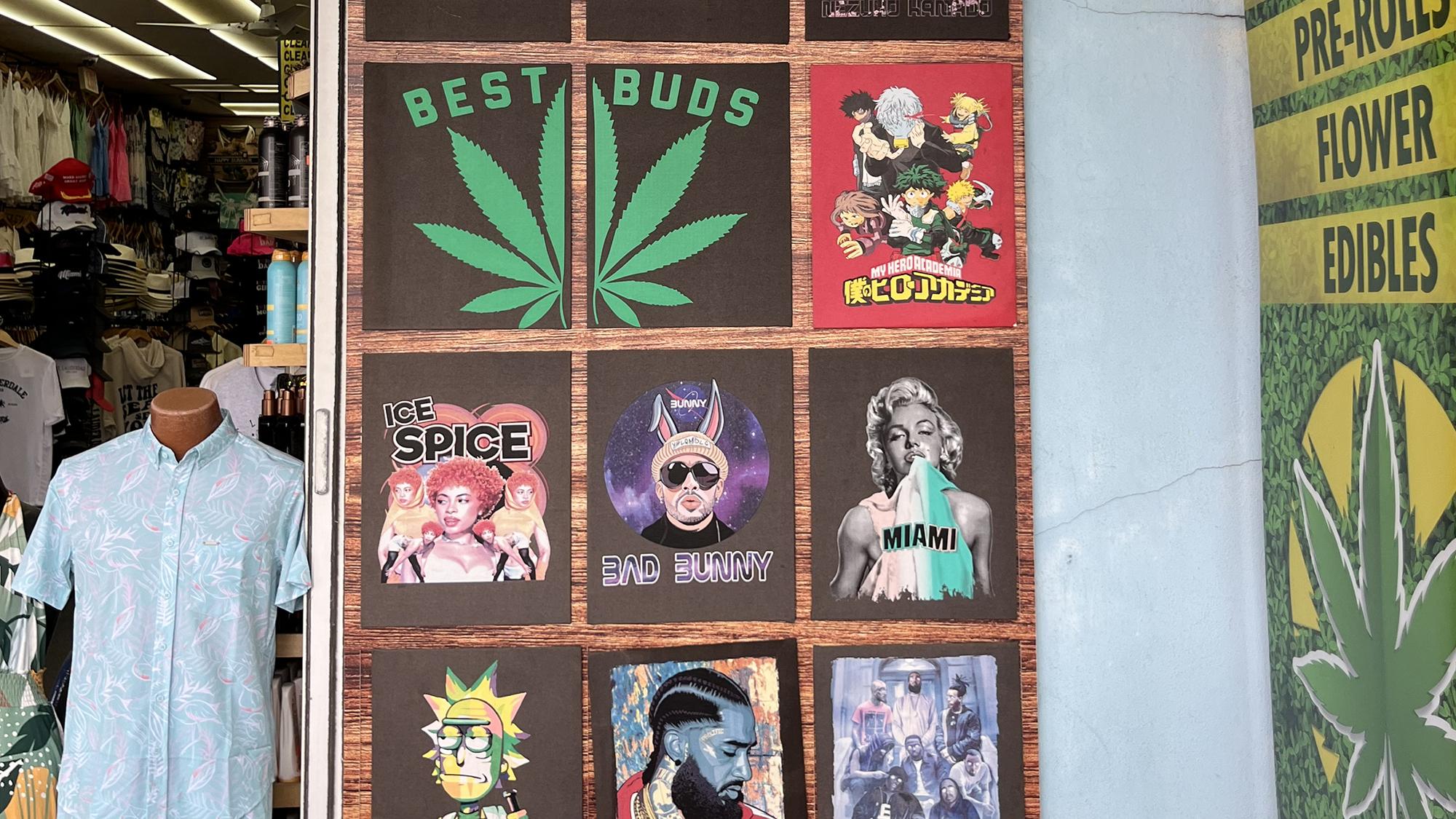
Cannabis fashion used to be easy to spot: a leaf graphic, a slogan tee, and a niche audience. Now, the fastest-growing corner of the category is being built the same way modern streetwear is built—through collaborations that create scarcity, elevate design credibility, and unlock new retail channels. In other words, cannabis fashion is increasingly less about “weed merch” and more about brand architecture.
One of the clearest signals is how cannabis culture brands are partnering with established apparel names to borrow fit, finish, and fashion authority. Cookies—already positioned as a streetwear-forward cannabis culture giant—has leaned into co-branded capsules that look and feel like traditional hype drops. Its collaboration with True Religion is a recent example of a mainstream denim label embracing cannabis-adjacent street style, using co-branding to amplify reach on both sides.
Elsewhere, cannabis companies are collaborating directly with fashion labels to move upscale and design-led, rather than relying on obvious cannabis iconography. Industry coverage has highlighted collaborations like Binske’s streetwear partnership with Los Angeles fashion brand L’equip—an approach that treats apparel as a premium extension of brand identity and price positioning, not an impulse add-on at checkout. That strategy matters because it reframes cannabis fashion as lifestyle luxury, widening the customer base beyond core consumers.
Another growth engine is the “fashion-to-cannabis pipeline,” where fashion brands build an audience through apparel first, then expand into cannabis products and accessories—creating a flywheel of demand. Brands such as Sundae School and Edie Parker illustrate this evolution well, leveraging design credibility and cultural relevance to normalize cannabis through products meant to be displayed, shared, and collected. This crossover doesn’t just sell product—it sells permission, aesthetics, and community.
Retail environments themselves are also becoming collaboration platforms. Concept-driven dispensaries increasingly operate like boutiques, using curated lifestyle product assortments—and sometimes house-branded apparel—to keep shoppers engaged between purchases and create a “walking billboard” effect. Retailers like Gotham intentionally position their stores at the intersection of art, design, fashion, culture, and cannabis, turning the physical space into a stage for product storytelling that mirrors modern fashion retail.
Finally, the broader fashion ecosystem is helping cannabis aesthetics travel further, faster. Cannabis-related activations around major fashion events have shown how designers and brands are willing to engage with the category when it’s framed as culture rather than counterculture. Underneath it all is a familiar consumer-products playbook: licensing, limited releases, and co-branded storytelling that allows cannabis brands to build equity even in markets where traditional advertising remains restricted.
As cannabis fashion continues to mature, collaborations are no longer a novelty—they’re the growth strategy.